How to Choose the Right Aged Care Facility for Your Loved One
15 Jan 2026
How to Choose the Right Aged Care Facility for Your Loved One
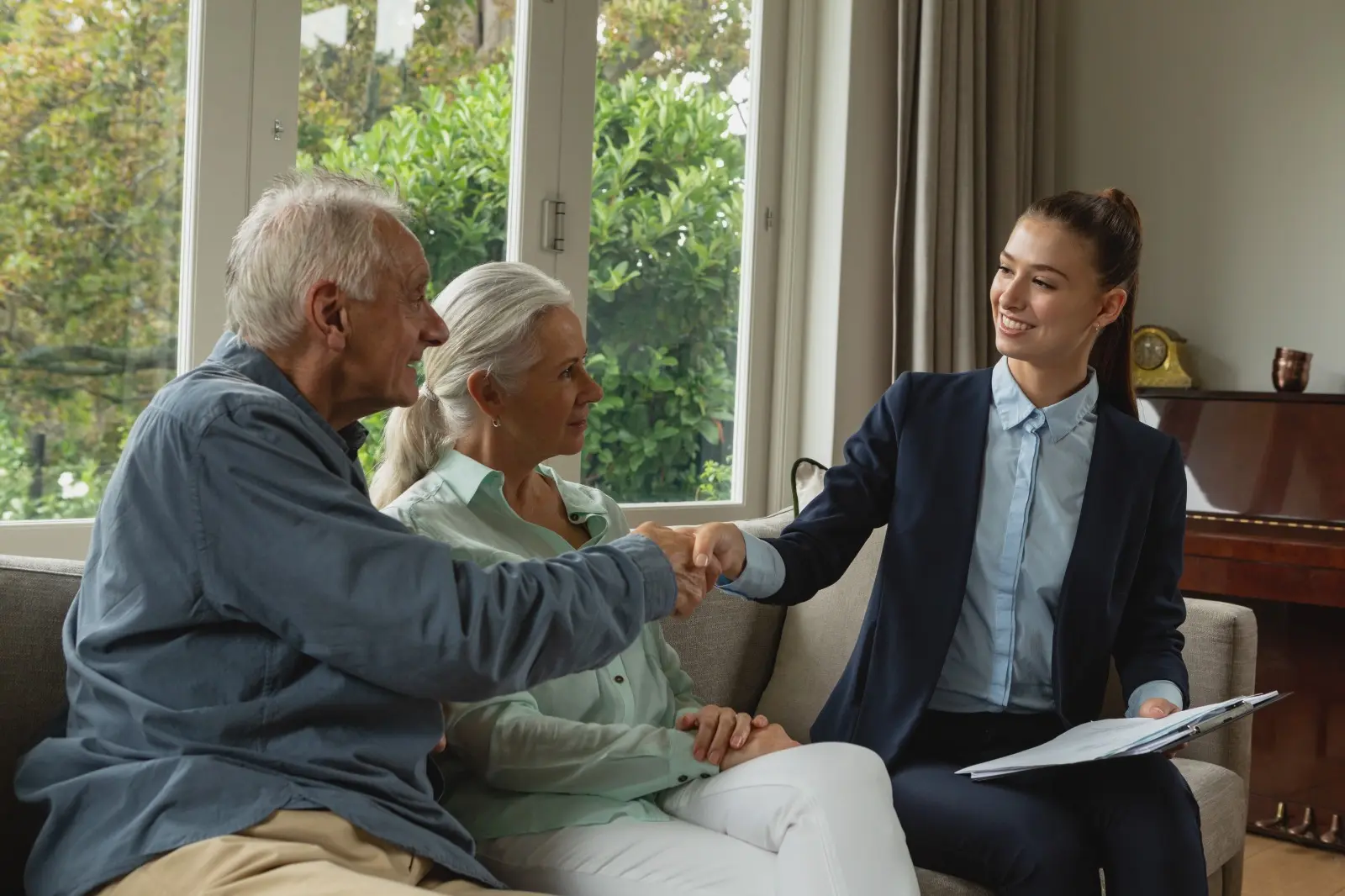
Choosing an aged care facility for a loved one is one of the most significant decisions families will ever make. It is a process that can feel overwhelming, but with the right information and approach, you can find a facility that provides the care, comfort, and dignity your family member deserves. This comprehensive guide will walk you through everything you need to consider.
The first step is understanding what type of care your loved one requires. Residential aged care facilities offer different levels of support ranging from low-care accommodation for residents who are largely independent to high-care nursing homes for those requiring 24-hour clinical supervision. Some facilities specialise in dementia care, palliative care, or culturally specific services. Assessing your loved one's current needs and anticipating future requirements will help narrow your search significantly.
Location is another critical factor to consider. Being close to family and friends makes it easier for regular visits, which are important for your loved one's emotional wellbeing and for you to monitor their care. Consider the proximity to hospitals, shopping centres, and community amenities. Many families find that visiting frequently becomes more challenging when the facility is located far from their home or workplace.
When touring potential facilities, pay close attention to the atmosphere and interactions between staff and residents. Observe whether staff members appear rushed or stressed, whether residents seem engaged and content, and how the facility handles daily activities and meal times. Ask about staff-to-resident ratios, staff qualifications, and turnover rates. A facility with stable, experienced staff is often a sign of good management and a positive workplace culture.
Finally, consider the practical aspects including fees, waiting lists, and accreditation status. Request a detailed breakdown of all costs and understand what is included in the base fee versus additional services. Check the facility's most recent ACQSC accreditation report and any compliance notices. Care facilities are required to meet stringent quality standards, and reviewing their performance history can provide valuable insights into the quality of care they deliver.
Recent Posts
Managing Chronic Conditions at Home with Professional Support
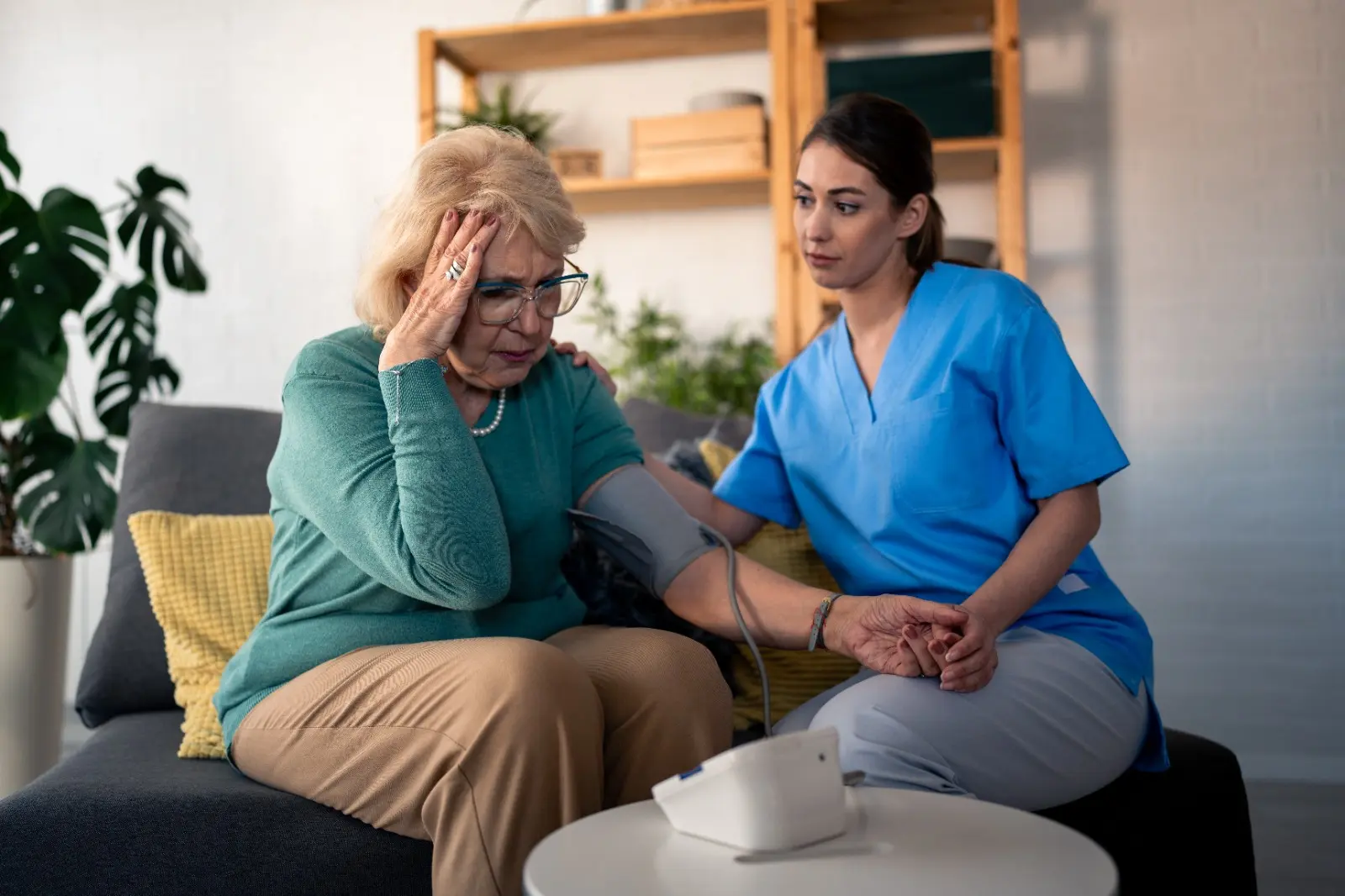
Living with a chronic condition presents daily challenges, but with the right support, many people can manage their health effectively at home and maintain a good quality of life. Chronic conditions such as diabetes, heart disease, respiratory conditions, and arthritis affect millions of Australians, and the demand for home-based support continues to grow as the population ages and healthcare services evolve.
Effective chronic disease management at home requires a comprehensive approach that addresses medical, lifestyle, and psychosocial factors. Community nurses play a vital role in monitoring vital signs, managing medications, providing wound care, and educating patients about their conditions. They work collaboratively with general practitioners and specialists to ensure that care plans are implemented effectively and adjusted as patients' needs change over time.
For patients with diabetes, community nurses can provide blood glucose monitoring, insulin management, foot care, and dietary education. Heart failure patients benefit from regular monitoring of weight and symptoms, medication adjustments, and lifestyle guidance to prevent exacerbations. Respiratory patients including those with COPD receive support with inhaler techniques, oxygen therapy management, and pulmonary rehabilitation exercises.
Allied health professionals also play an important role in chronic disease management at home. Physiotherapists help patients maintain mobility and strength, occupational therapists recommend home modifications and adaptive equipment, dietitians provide nutritional guidance for managing specific conditions, and exercise physiologists develop safe exercise programs tailored to individual capabilities and limitations.
Care Nest is committed to helping people with chronic conditions live well at home. Our community nursing and allied health services are designed to provide the professional support needed to manage complex health needs while maximising independence and quality of life. We work closely with patients, families, and healthcare teams to deliver coordinated, person-centred care that achieves the best possible outcomes.

How Technology is Transforming Healthcare Staffing
Technology is revolutionising the way healthcare facilities find, manage, and retain staff. From artificial intelligence-powered matching algorithms to mobile scheduling applications and digital credential verification systems, innovations are making healthcare staffing faster, more efficient, and more reliable than ever before. Understanding these technological advances is essential for facilities that want to stay competitive in attracting and retaining healthcare talent.
One of the most significant technological developments in healthcare staffing is the use of AI and machine learning for candidate matching. Advanced algorithms can analyse job requirements, candidate skills, experience, availability, and preferences to identify optimal matches in seconds. This technology dramatically reduces the time spent manually reviewing applications and increases the likelihood of successful placements that meet both client and candidate expectations.
Mobile scheduling applications have transformed how staff manage their availability and shifts. Healthcare professionals can update their availability in real-time, receive shift notifications, accept or decline offers instantly, and access their schedules from anywhere. For facilities, these platforms provide visibility into staffing levels, automated shift reminders, and reduced administrative burden. The result is fewer unfilled shifts and improved communication between facilities and staffing providers.
Digital credential verification is another area where technology is making a significant impact. Rather than manually verifying qualifications, registrations, and compliance documents, modern systems can automatically check credentials against national registers, track expiry dates, and flag upcoming renewals. This automation reduces administrative overhead while improving compliance and reducing the risk of staff working with expired credentials.
Care Nest is committed to leveraging technology to improve our staffing services. We invest in modern platforms that enhance our ability to match the right people with the right roles quickly and efficiently. While technology cannot replace the human element of healthcare, it can support our team to deliver faster, more reliable service to the facilities and professionals we serve.

Career Pathways in Aged Care: From PCA to Facility Manager
The aged care sector offers diverse and rewarding career progression opportunities for dedicated professionals. Many people enter the sector as Personal Care Assistants and, with the right training and experience, advance through roles of increasing responsibility all the way to facility manager or director of nursing. Understanding these career pathways can help aged care professionals plan their professional development and achieve their career goals.
The entry point for most aged care careers is the Personal Care Assistant role. PCA's provide direct care to residents including assistance with bathing, dressing, eating, mobility, and social activities. This frontline role provides invaluable experience in understanding resident needs, building relationships, and developing the practical skills that form the foundation of aged care practice. Most PCA's hold a Certificate III in Individual Support, which can be completed through TAFE or registered training organisations.
From PCA, many professionals progress to enrolled nursing roles by completing a Diploma of Nursing. Enrolled nurses work under the supervision of registered nurses and take on additional clinical responsibilities including medication administration, wound care, and clinical observations. This role offers greater clinical challenge and responsibility while still maintaining direct resident contact.
Registered nurses in aged care have completed a Bachelor of Nursing degree and can take on leadership positions such as clinical care coordinator or senior registered nurse. These roles involve care planning, clinical governance, staff supervision, and quality improvement. Experienced registered nurses may progress to director of nursing or facility manager positions, where they oversee all clinical operations and ensure regulatory compliance.
Care Nest supports aged care professionals at every stage of their career journey. We offer placement opportunities across all levels of seniority, from entry-level PCA positions to executive management roles. We also support our staff with access to professional development, mentoring, and career advice to help them achieve their full potential in this rewarding sector.